Planting Feet: Why We Don’t Just Vacation, We Return
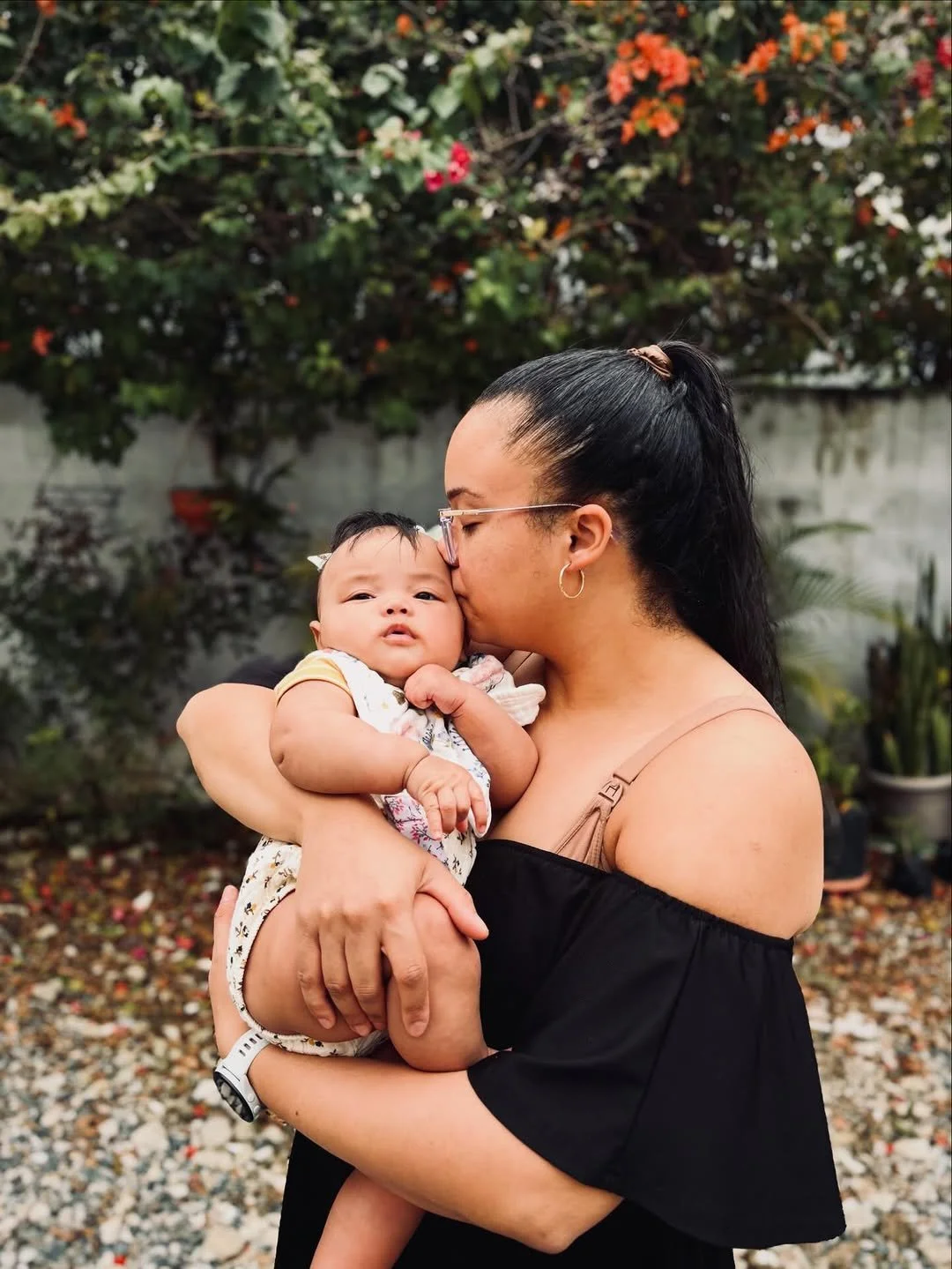
A couple of weeks ago, I posted a series of photos on Instagram of my daughter, Camila. The carousel captured a little bit of everything—her with my wife, quiet moments with my in-laws, and us navigating the Dominican Republic together. It resonated with a lot of people, but an Instagram caption has a character limit, and the feelings behind those photos carry a lot more weight. I wanted to expand on the "why" here.
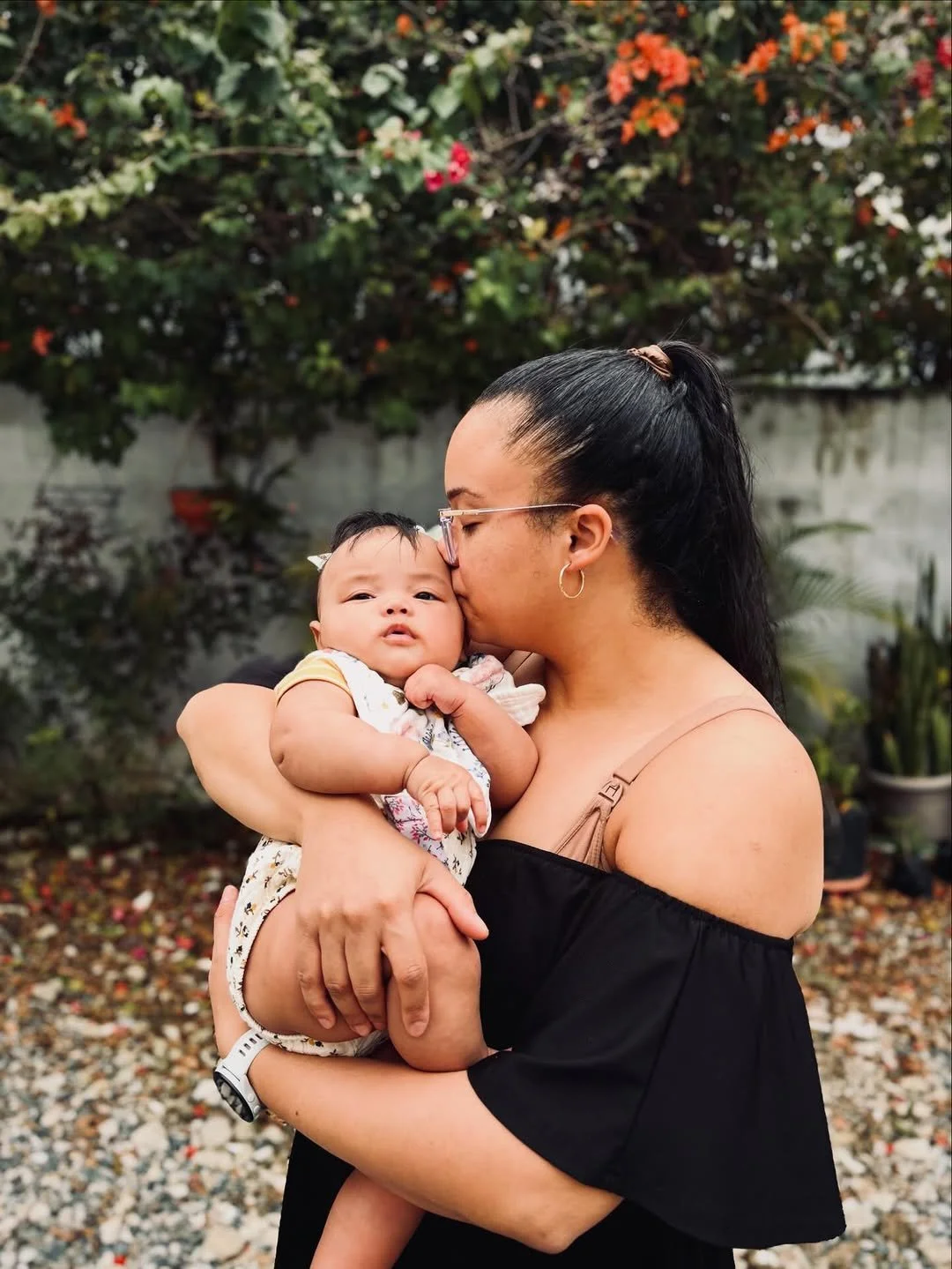
If you looked at our itinerary on paper, you might call this a vacation. We are, after all, in the Caribbean. But if you asked me why we are here—why we braved the flight with an infant, landing to the inevitable applause that erupts the second wheels touch Dominican soil, and disrupted the precious sleep routines we fight so hard to establish—the answer isn’t 'relaxation.'"
The answer is roots.
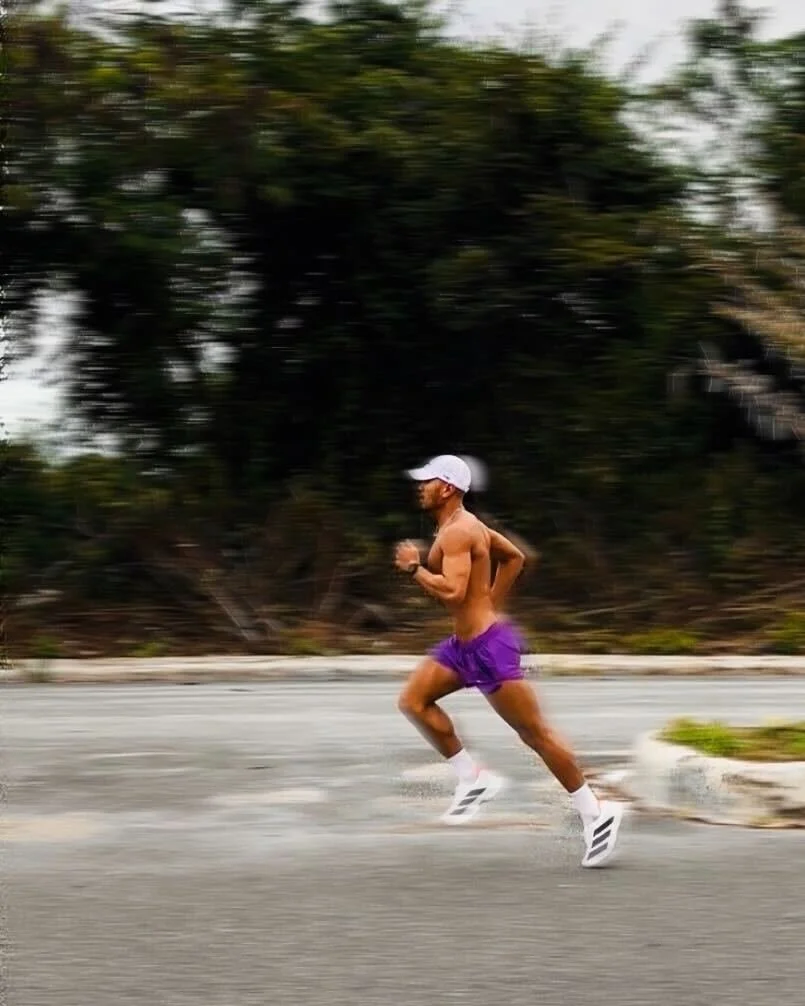
As a software engineer, I obsess over the "Why." You can build a slick feature, but if you don't understand the core user problem, the product is hollow. It’s no different than running. You can log heavy mileage every week, but if you’re just pounding pavement without a specific goal or adaptation in mind, it’s just 'junk miles.' Parenting feels similar. We can buy the toys, read the books, and strictly follow the sleep and feeding schedules but what is the core 'Why' driving how we raise Camila?"
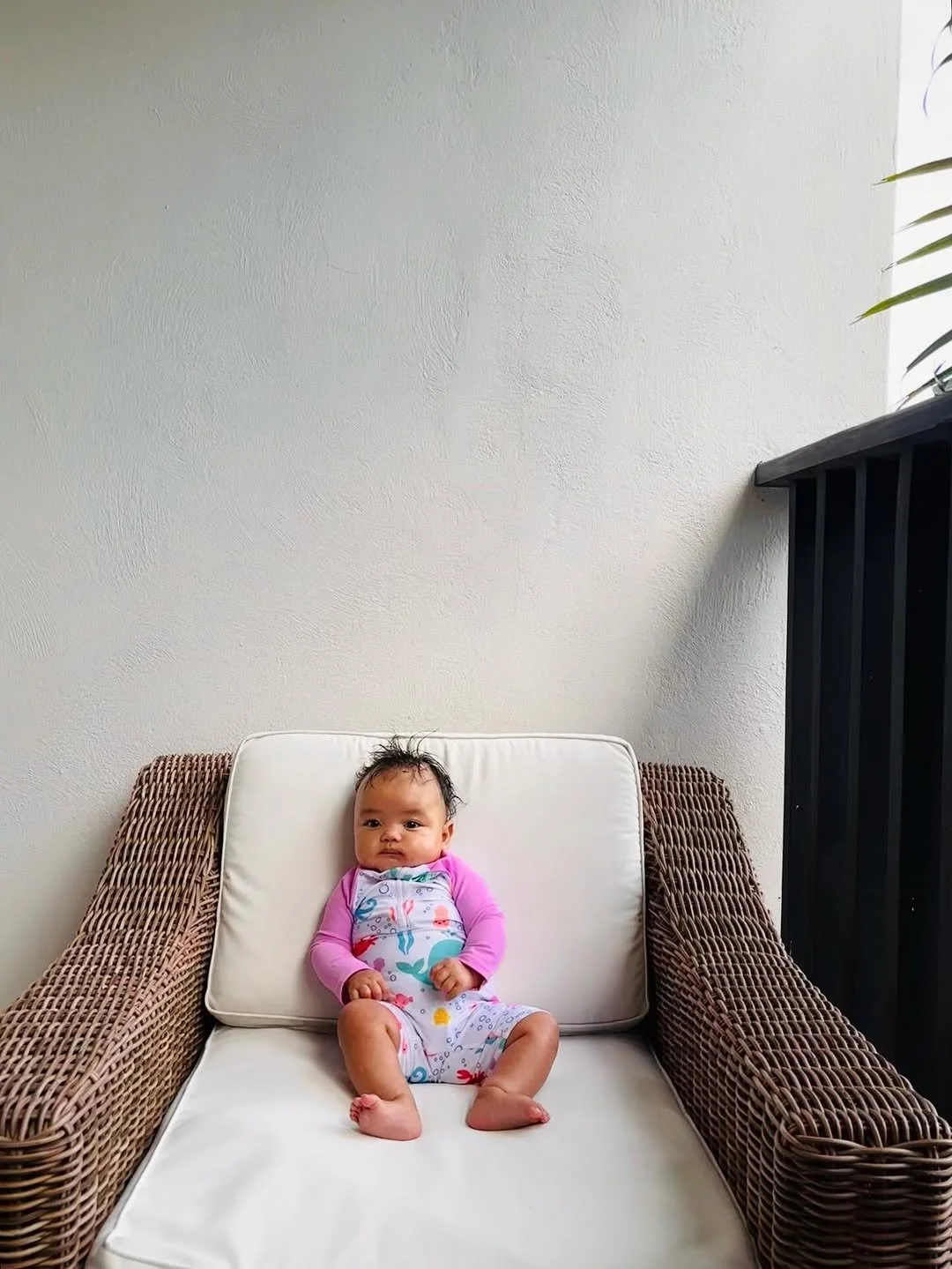
For my wife and me, the "Why" is ensuring she knows where she comes from—not just as a concept, but as a feeling.
The Silence and The Bridge
We come at this from two different angles, and we are trying to build a third way for her.
I grew up as a Filipino kid in East Harlem, NYC. My world was a mix of cultures—with my own heritage humming in the background. I lived in that classic immigrant limbo: I could understand Tagalog perfectly. Every scolding, every joke, daily banter—I absorbed it all. But I never really spoke it back. The words stopped at my lips.
When I eventually visited the Philippines, I didn’t necessarily expect a homecoming but I did, however, feel a specific kind of isolation. I was too American for the locals, yet too Filipino for the Americans back home. I had the understanding, but I didn't have the voice. I was a guest in my own history.
My wife’s story is the inverse. She in the Dominican Republic, before moving to Massachusetts. For her, Spanish wasn't a background noise; it was a survival tool. She grew up speaking it at home, not just to connect, but to function. She became the translator, the bridge, the one constantly explaining the complexities of America to her parents. She carried the heavy weight of navigating two worlds before she was even an adult.
The Sensory Education
We want something different for our daughter. We want her to have my understanding without my silence, and her mother’s fluency without the burden of having to translate the world for us.
That is why we are here. There is a concept I love called "sensory education." It’s the idea that before a child can speak or logically understand their heritage, they can feel it.
We brought Camila here to the Dominican Republic not because we expect her to remember this trip in ten years. We brought her so that her baseline for "normal" includes the sound of rooster alarms at sunrise. We want the humidity of the ocean air and the rhythm of people speaking loudly and lovingly in Spanish to feel like home, not like a foreign country.
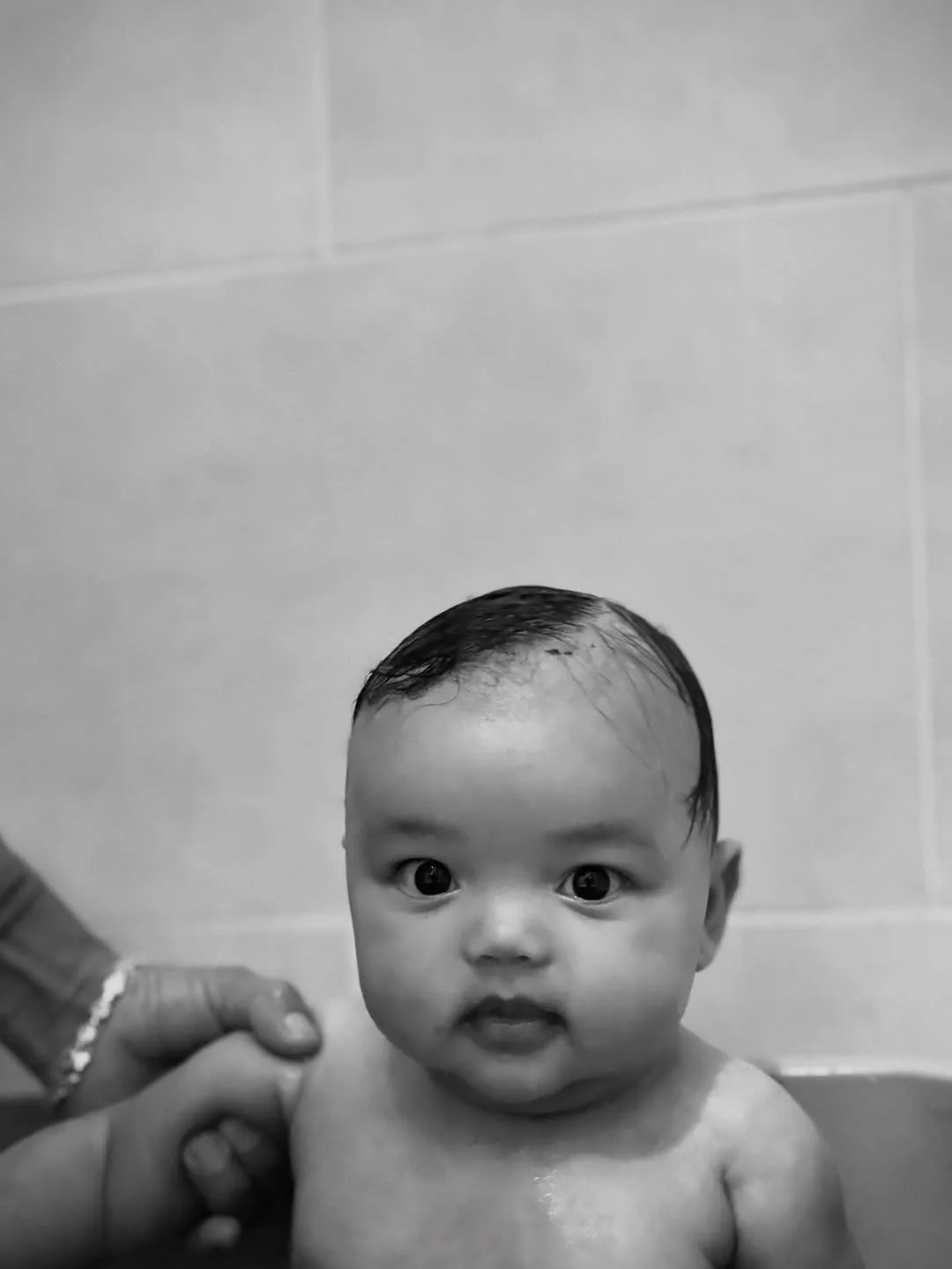
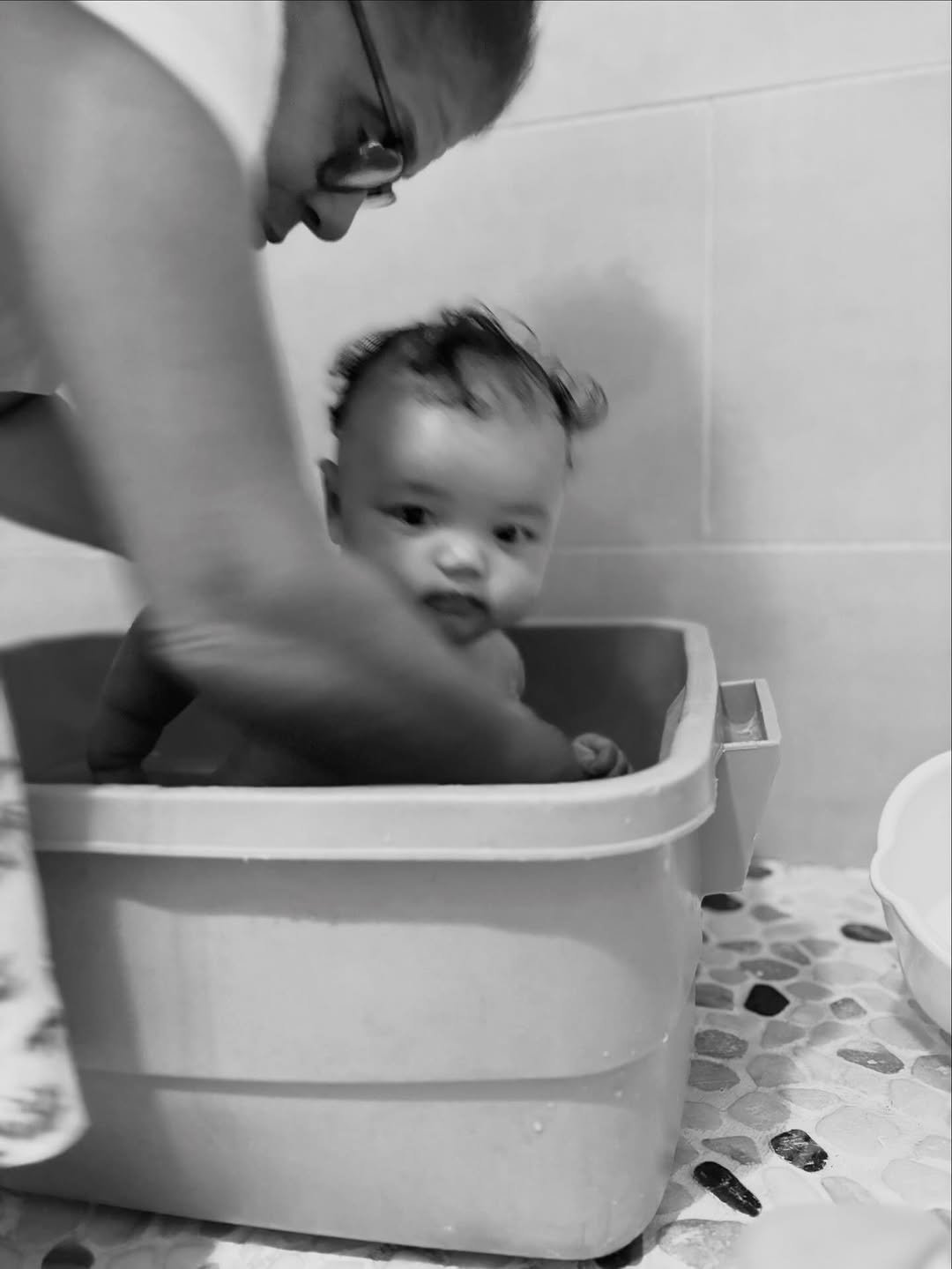
These are the photos of her taking a bath in a bucket—a stark contrast to the modern conveniences we have back in New Jersey. To some, that might look like roughing it. To us, it’s a deliberate introduction. It’s a texture of life she needs to know.
The Long Game
Being mixed is a unique experience. She is half Dominican, half Filipino. In America, it is easy for those identities to become just checkboxes on a form or a fun fact at a party. But culture isn’t a label; it is a lived experience.
If we do not expose her to her roots, the "Dominican" and “Filipino” sides become theoretical. They become a story we tell her, rather than a life she has tasted. We refused to let that happen. We made a commitment that we wouldn't just tell her about her roots; we would take her to the soil they grow in.
It isn’t easy. Traveling with a baby is in and of itself, an endurance sport. It would be infinitely easier to stay in Bergenfield, visit the local park, and call it a day. But comfort doesn’t build character, and it certainly doesn’t build culture.
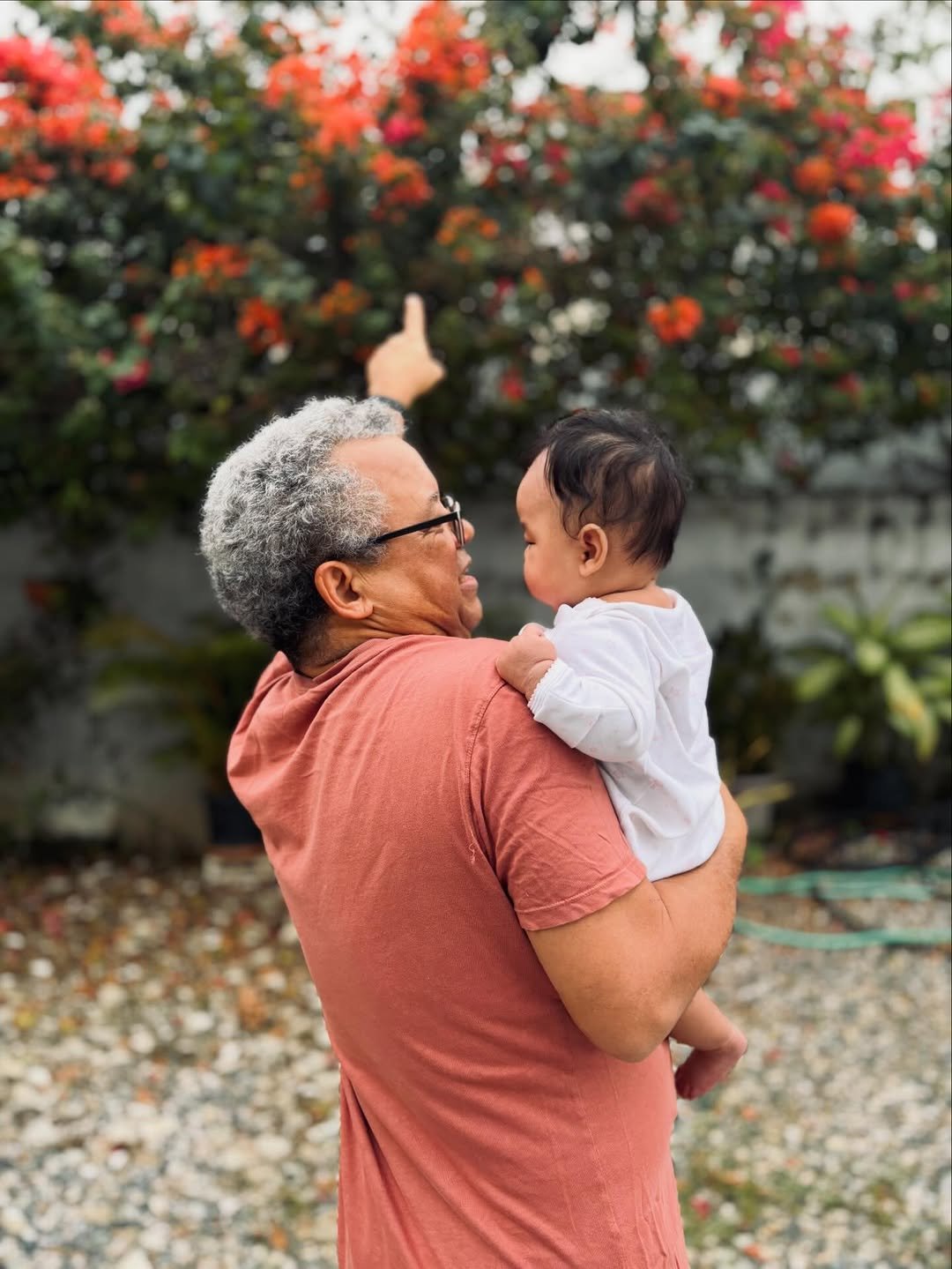
We’re planting the feet here first. The Philippines is next. We just want to make sure that when she eventually stands on her own, she knows exactly what ground is holding her up.