Why I think your next running PR should be at your local 5K
In 2023, I was locked in a frustrating war with the 5K. I was relentlessly chasing a sub-20-minute finish, but looking back, my biggest problem was that I was only giving the distance "5K attention." I treated it like an afterthought—a hard effort I could just muscle through on limited, unfocused training. In fact, I’m pretty sure I googled “sub 20 5K running plan” and took what I could get. I barely scraped a 19:40 in June of 2023, but the wheels quickly fell off. By 2024, I had completely lost my top gear, bottoming out at an ugly 22:12 in September. I was going backwards.
So, I did what a lot of runners do when they hit a speed wall: I changed the metric of success. If I couldn't run faster, I would just run further.

Post race with both the LA Marathon and LA 5K Medals. March, 2025
I drank the Kool-Aid and signed up for the LA Marathon in March 2025. To be fair, I had plenty of half marathons under my belt, but the full 26.2 was a distance I explicitly told myself I’d never touch—mostly because I just didn't enjoy the idea of running for that long. I actually used the Runna app for this build. Sure, a proper marathon block absolutely includes threshold work and progression runs, and Runna definitely programmed them. But let's be honest—when you're staring down a 16-mile weekend run, it's easy to sandbag a Tuesday speed session. I was just using the high, slow mileage to hide from the speed I couldn't crack. I followed the plan as best I could and crossed the line in 3:38:53. But looking back in the cold light of day, I played it safe. I built a sturdy engine capable of chugging along all day, but I finished with gas in the tank.
Could I have incorporated more progression runs and threshold sessions into my marathon build? Absolutely. A high-level marathon block spends plenty of time in those zones. But let's be honest—for me, the pivot to 26.2 was an escape hatch from the redline. Again, high mileage was a great place to hide.
In Paulo Coelho’s The Alchemist, Santiago travels across the desert searching for treasure, only to realize the gold was buried right back home under the exact tree where his journey started.

My laptop and the copy of The Alchemist.
That’s what the marathon detour was for me. I hadn't actually moved on from the 5K; I just needed to leave it for a while to figure out how to beat it. The grueling marathon prep built a massive aerobic base, but more importantly, it gave me a completely new perspective.
I realized I needed to stop giving the 5K half-hearted attention. What if I gave the 5K the exact same respect, intentional planning, and dedicated focus that I gave the marathon?
Instead of relying on a random Google search like I did in 2023, I committed to a structured build using the Runna 5K training plan. It turned out to be exactly the wake-up call my legs needed. It wasn't just easy miles and a casual weekly tempo; it was packed with fartleks, progressive long runs, and incredibly high-quality track workouts. I was suddenly getting reacquainted with ladders and improving my 200-meter repeats.
Take a look at my 5K times from 2023 to 2026. Notice the 2024 regression, followed by the massive 2025 post-marathon drop.
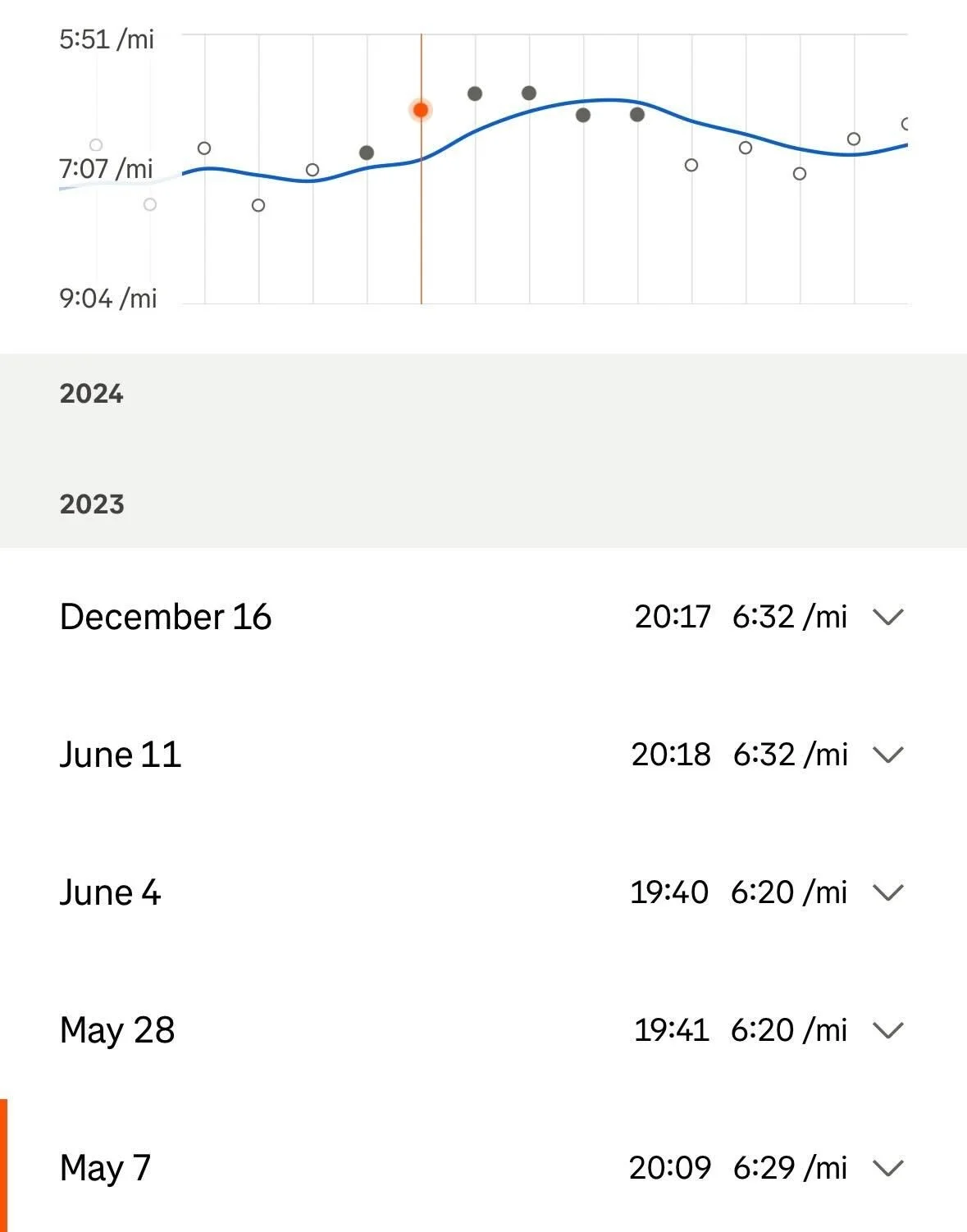
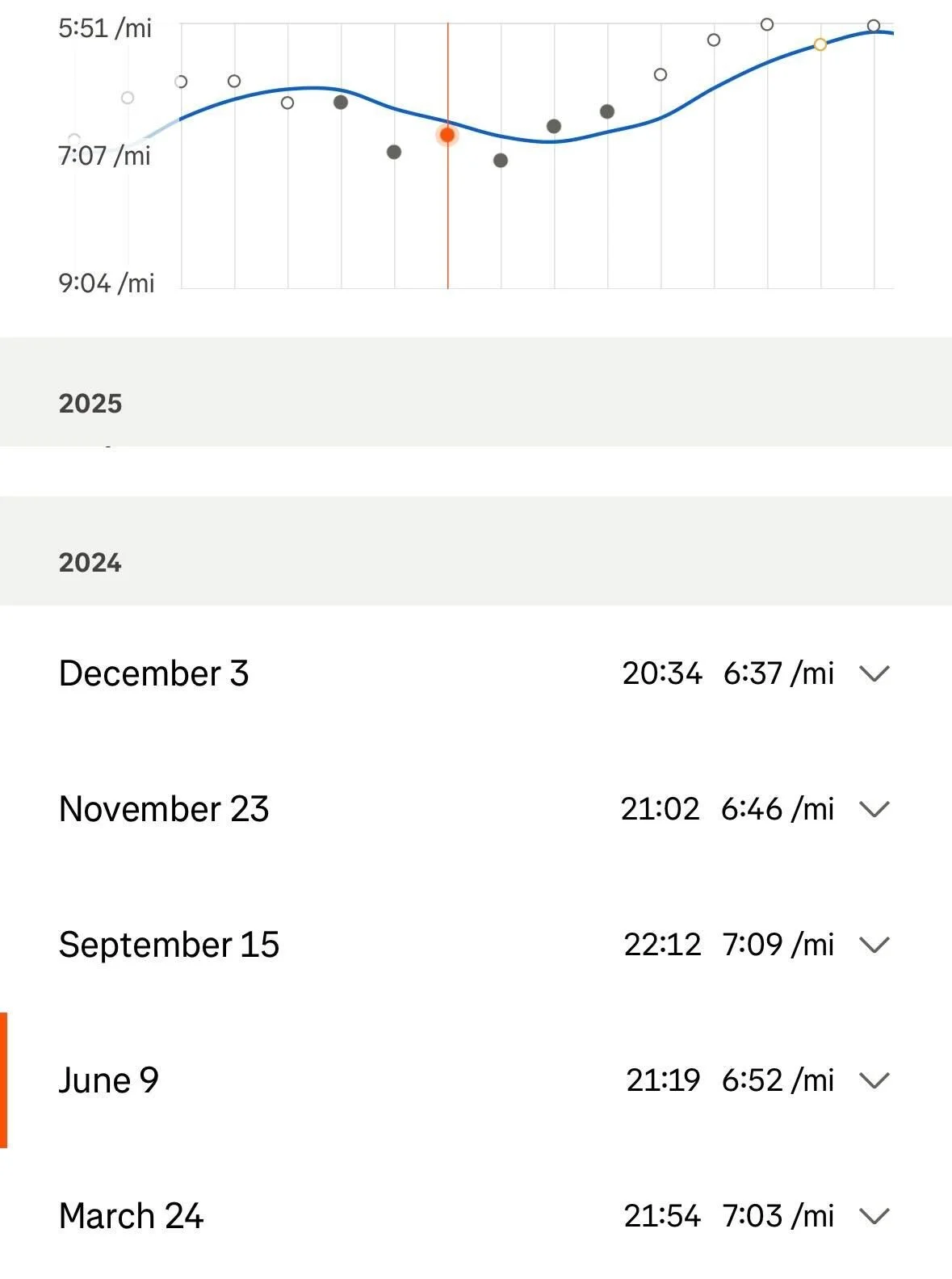
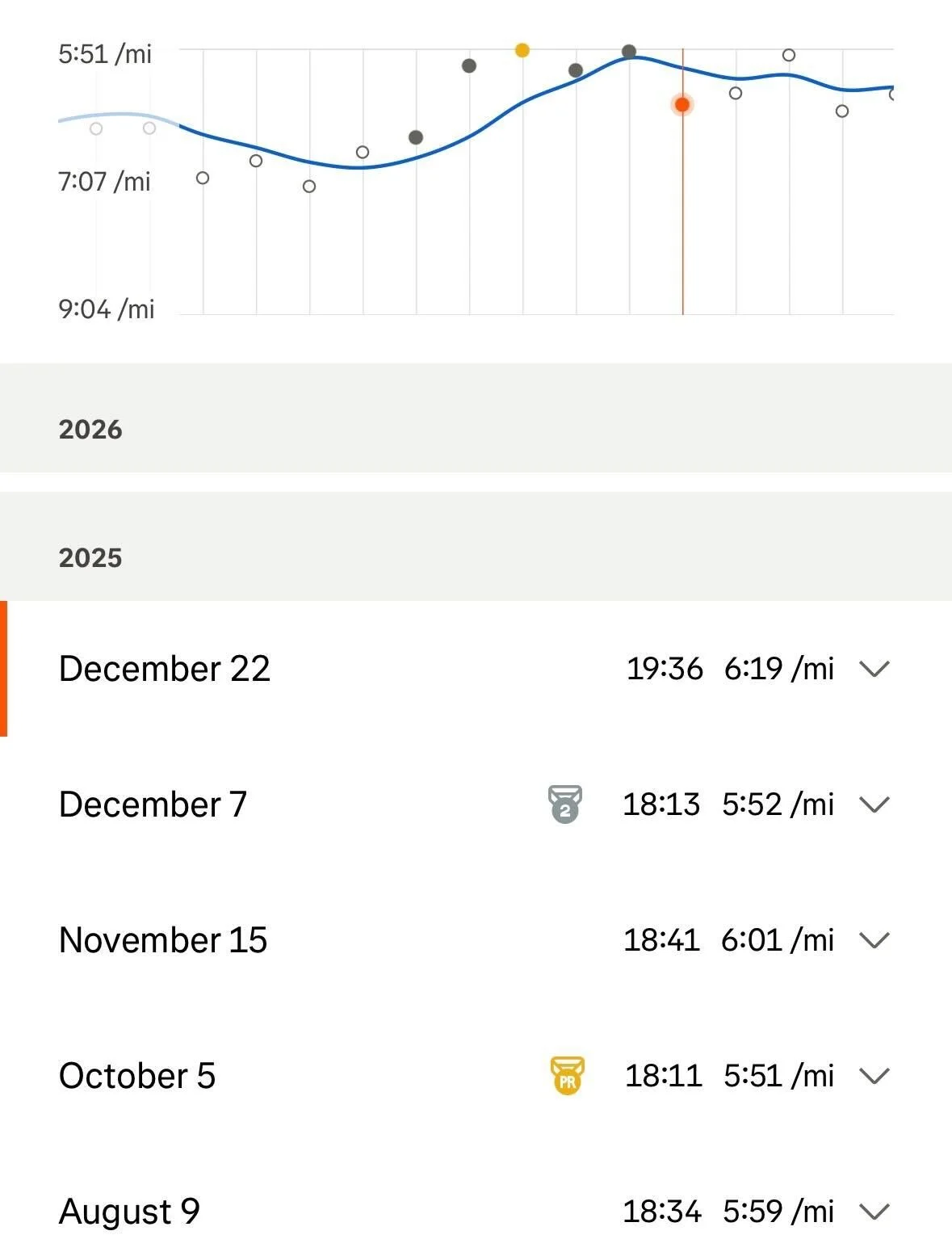
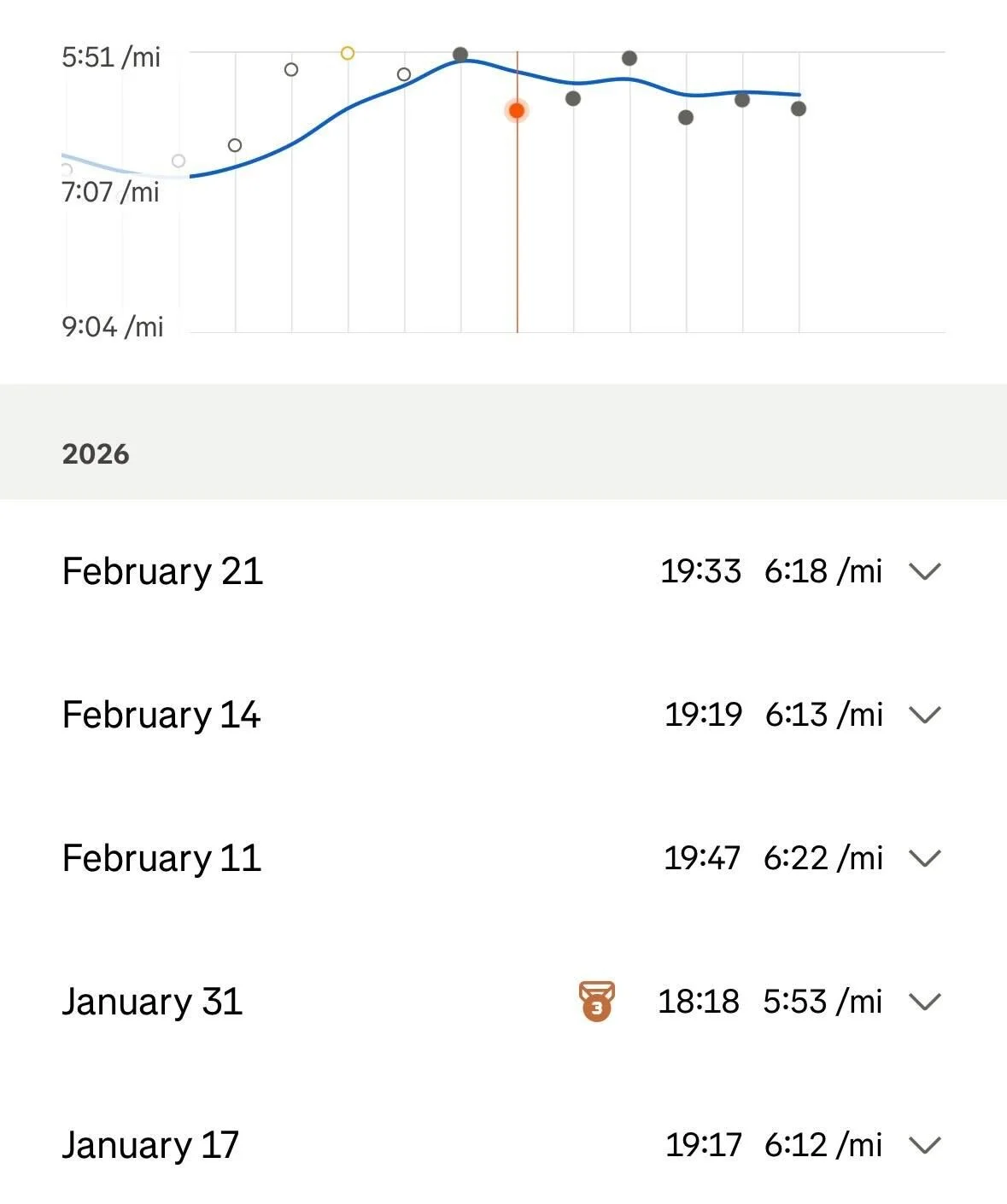
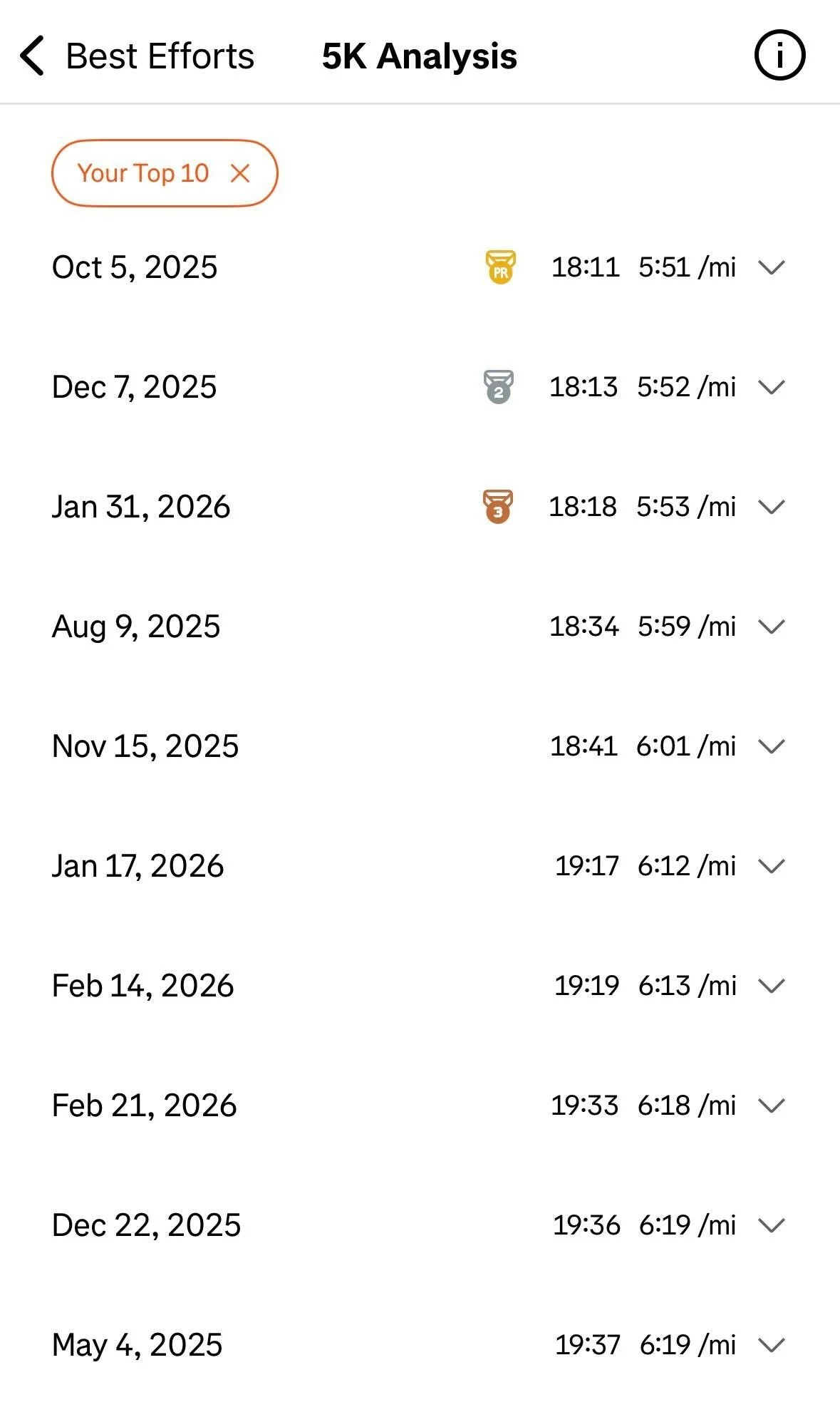
A dedicated 5K block strips away the padding and forces you to stare directly at your limits. The data proves it:
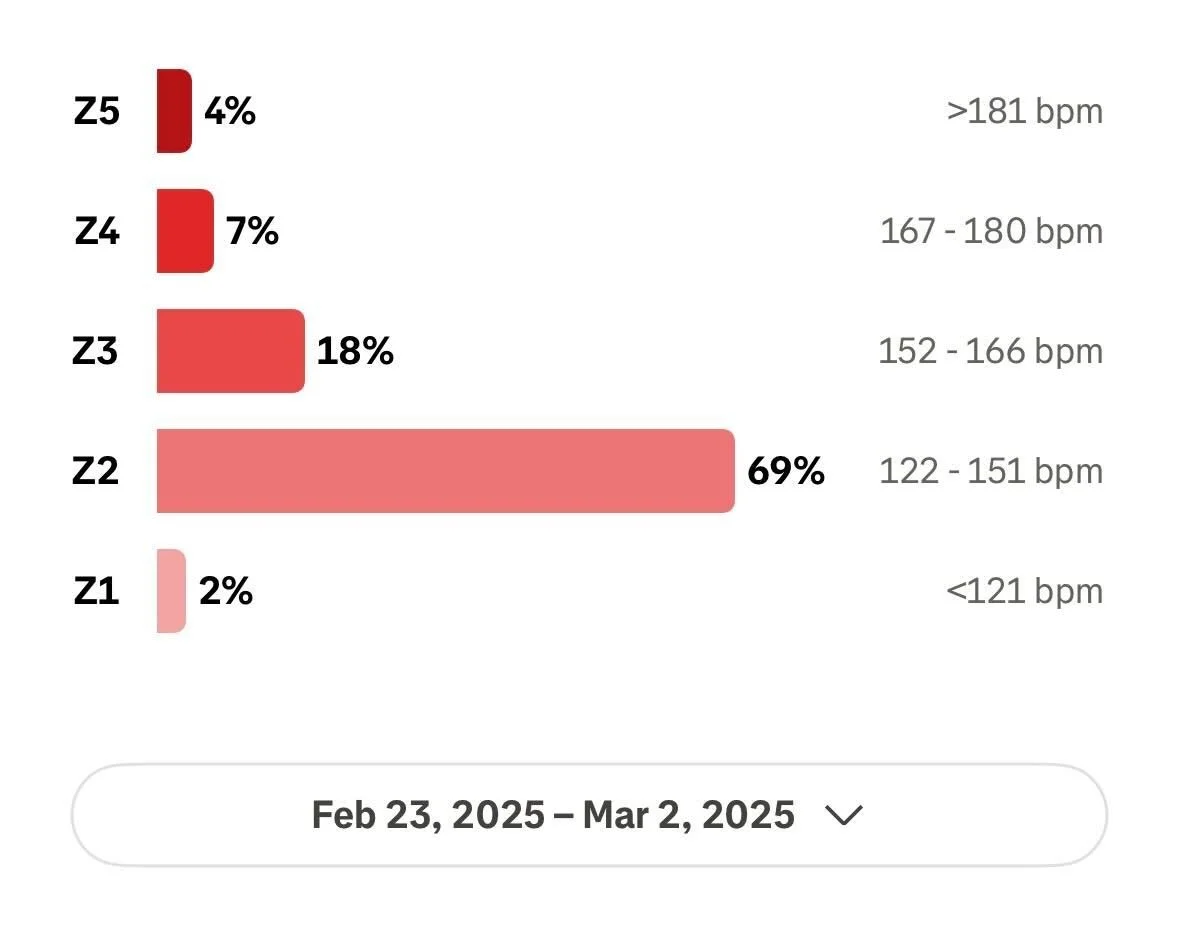
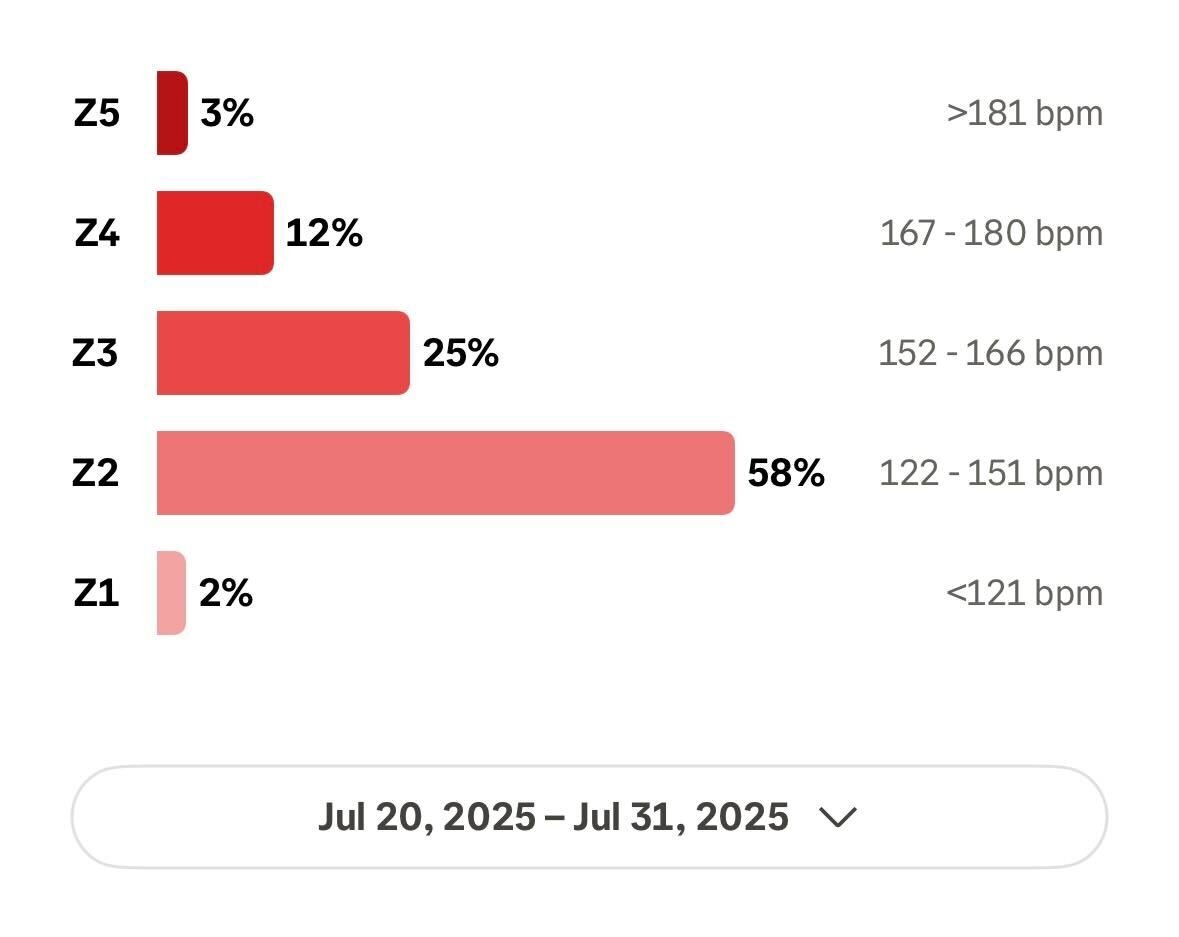
There was a 71% increase in the time I spent at threshold. During the peak week of my LA Marathon Build in late Feb 2025, the majority of my time was spent in Zone 2, with only 7% pushing threshold in Zone 4. By late July, deep in a 5K block, that Zone 4 spiked to 12%. The Marathon requires you to master the slow burn; the 5K forces you to spend significantly more time at the redline.
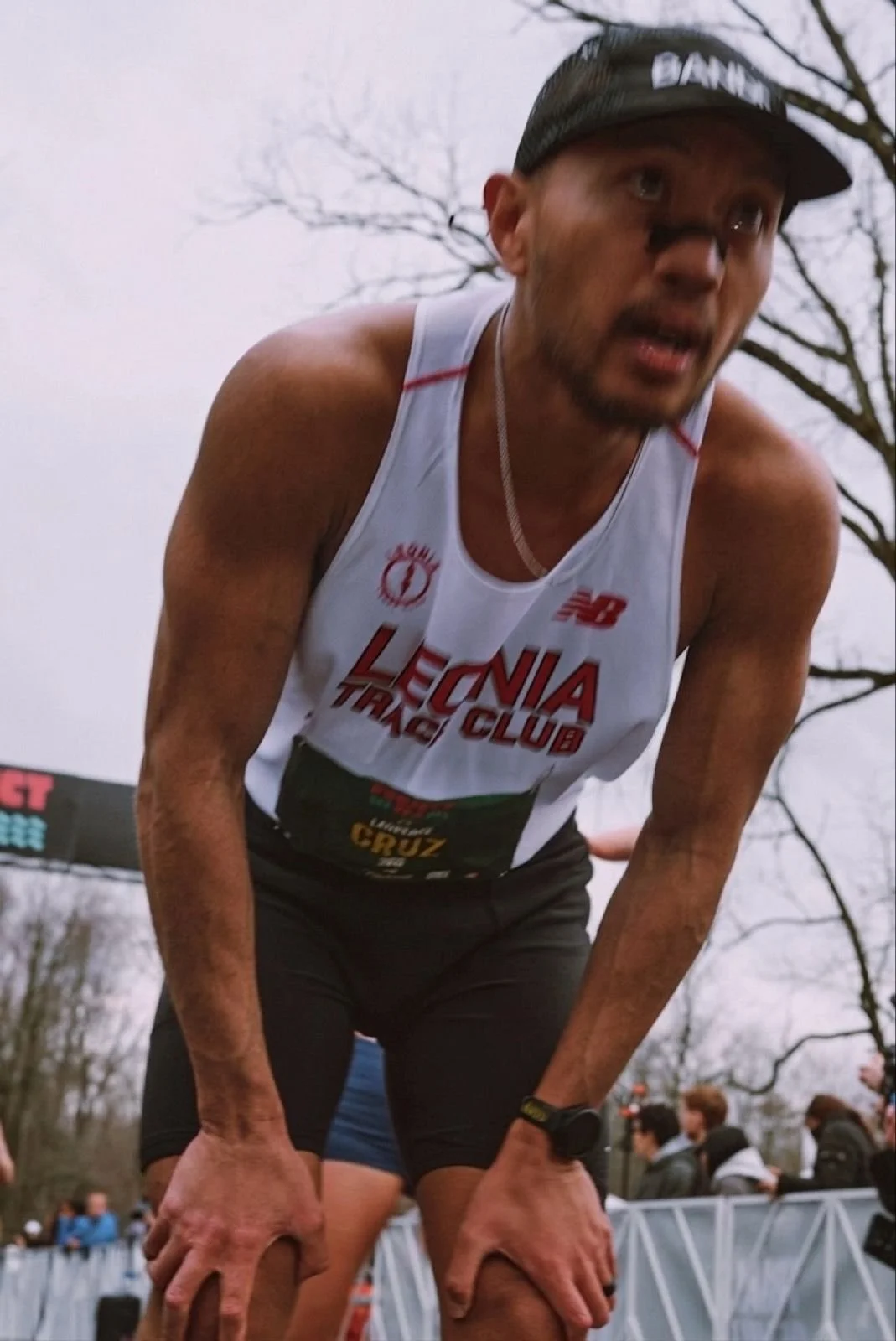
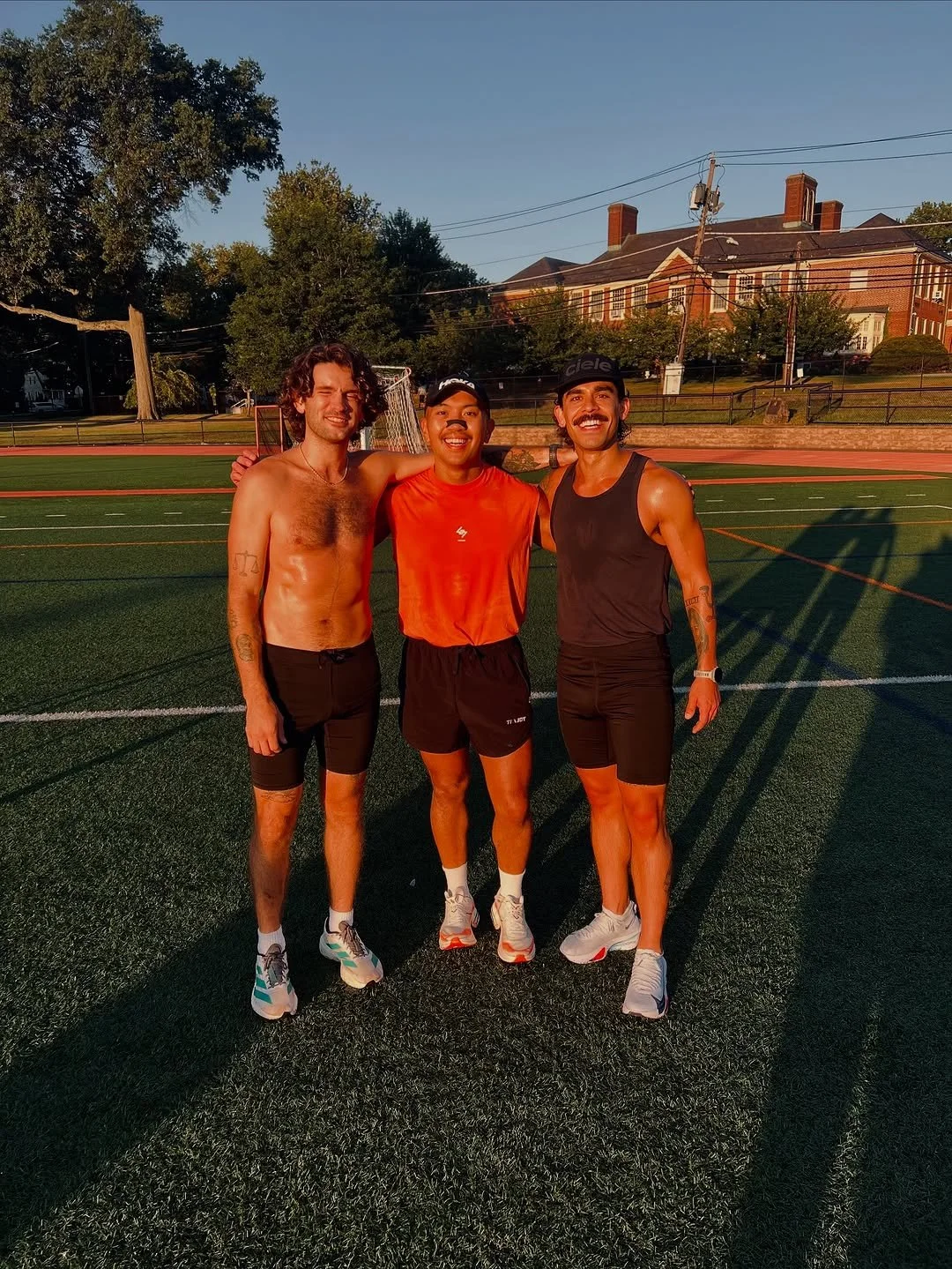
In August 2025, treating the 5K like a marathon build finally paid off. I gutted it out—paced by my teammates Alex Guerra and Cody Schmeer from the Leonia Track Club—and finally broke 19 minutes with an 18:34 on the track. By October 2025, I dropped my PR down to 18:11.

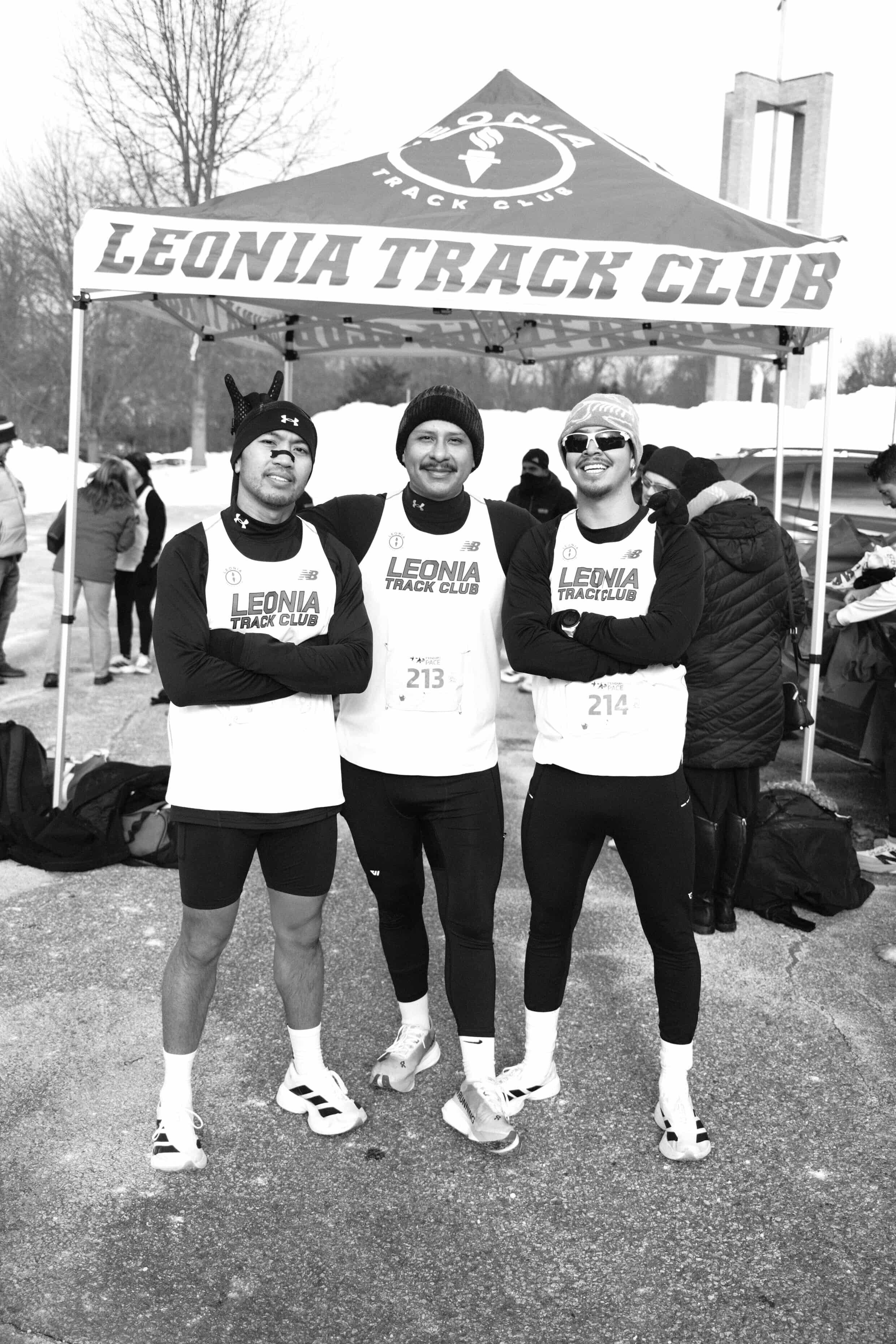
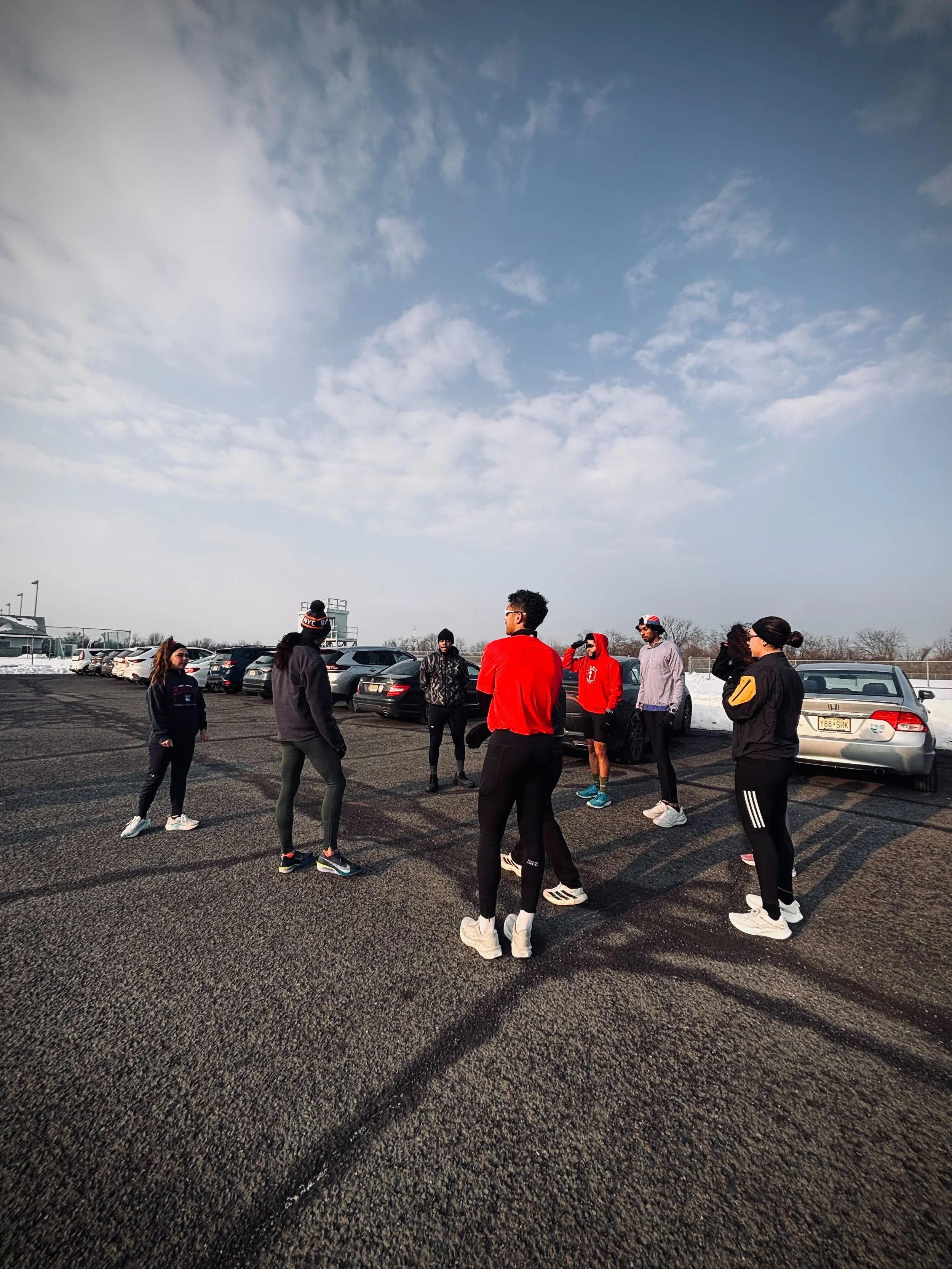
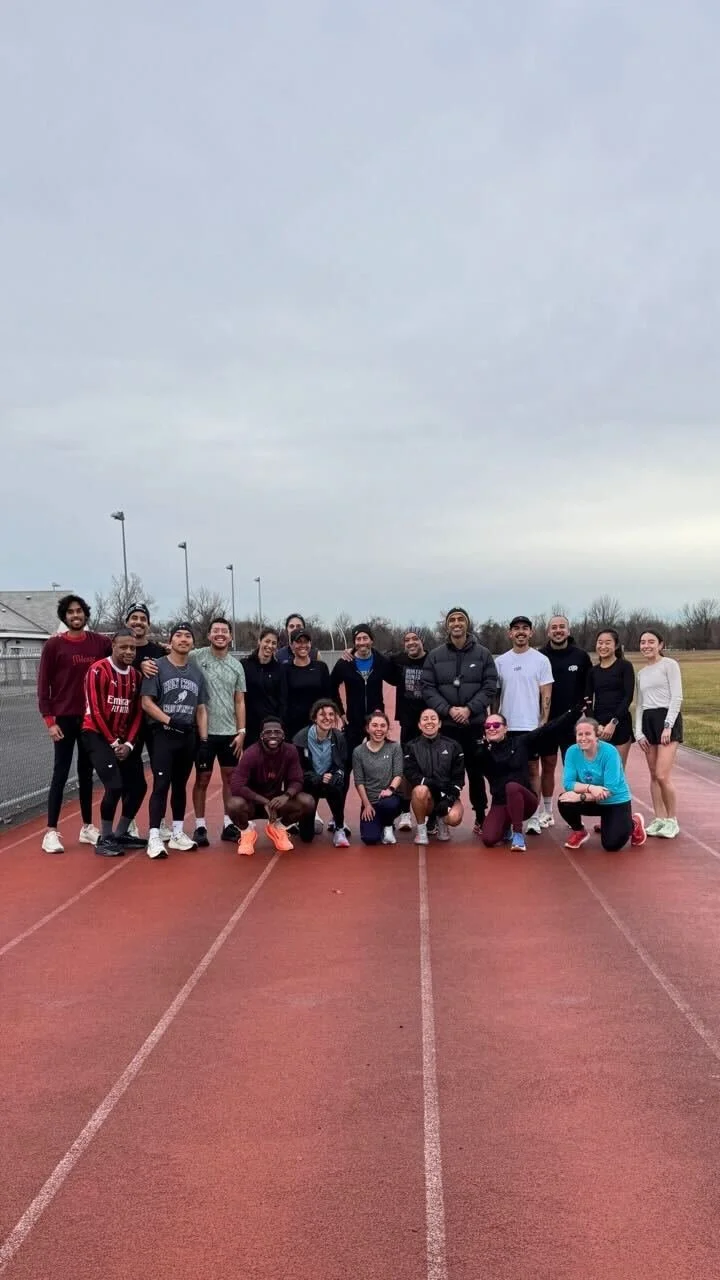
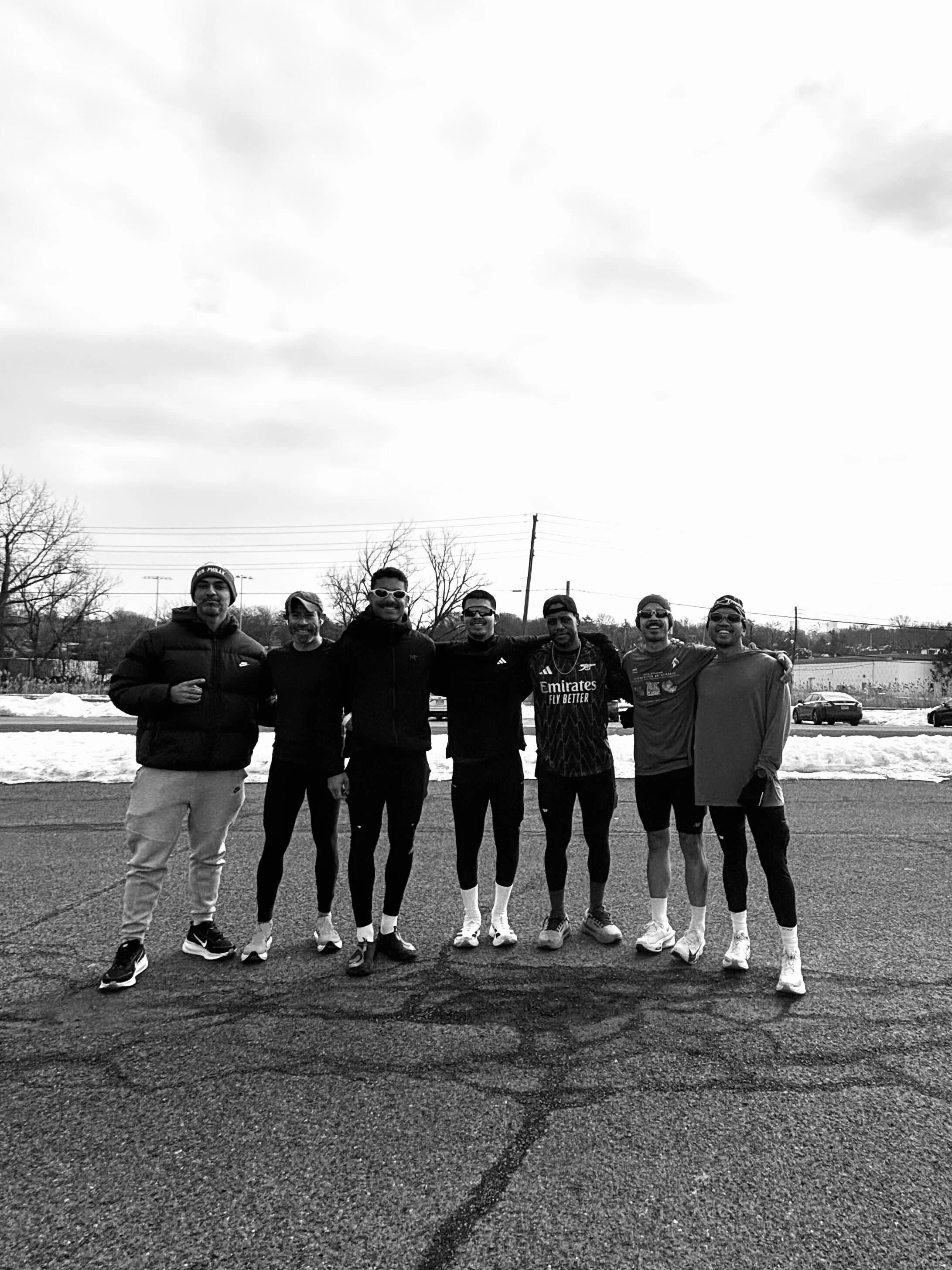
But adapting to the violence of the pace isn't enough; you have to sustain it. In December 2025, I joined the Leonia Track Club led by coach Hector Matos Jr., which completely rewired my approach. We don't mindlessly chase a "6-to-7-mile run" just to hit a weekly quota. The mandate is simply: go run for 50 minutes, or 75-90 minutes. It’s entirely about time on feet. Stripping away the pressure of hitting a specific distance forced me to stop forcing the pace on easy days and let the engine actually work. Breaking 20 minutes used to be a monumental race-day effort; now, dropping a 19-low on a random Wednesday or Saturday feels like a normal baseline.
There is a very practical reality to all of this, too. Between engineering full-time and the chaotic beauty of being a parent, marathon training can be a logistical shit show. You are constantly borrowing hours from your family to fund your mileage. The 5K is entirely different. It can be forgiving on your schedule, but ruthless on your lungs. You can get a high-yield, deeply intense workout done in under an hour, and still have the energy to actually be a present parent and partner for the rest of the day. It builds undeniable fitness without demanding your entire weekend.
I’m currently training for a half marathon but the chase to consistently break 18 minutes continues, with my eyes locked on 17:38 (because, Fetty Wap and Strava says I can beat that).
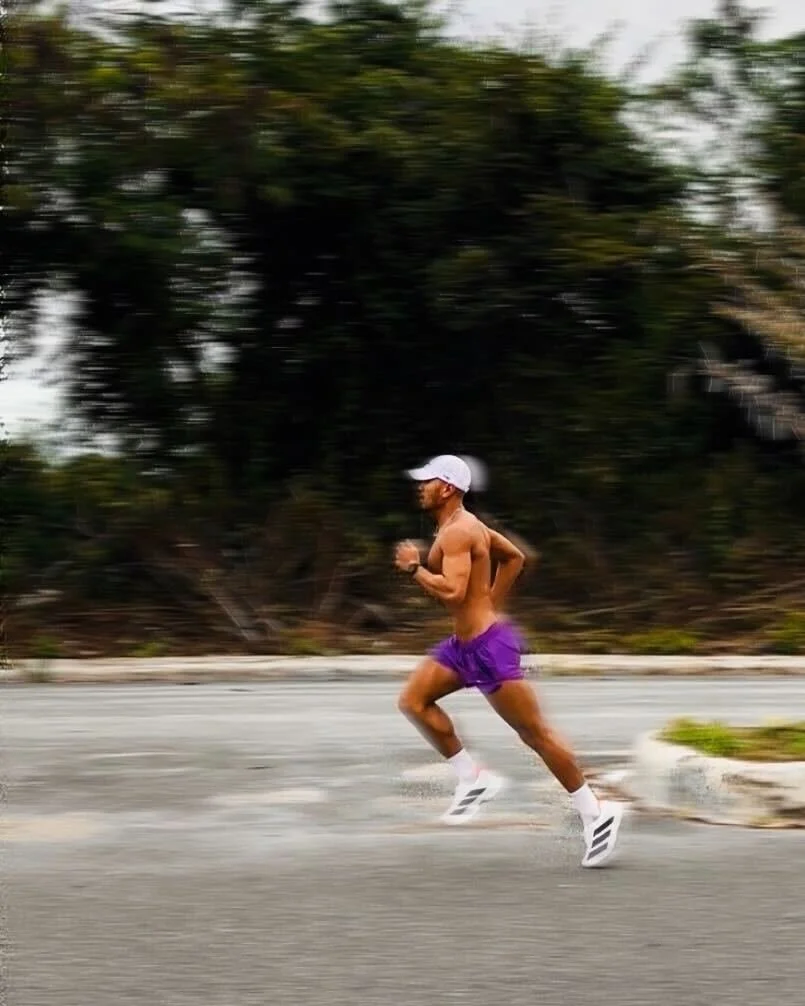
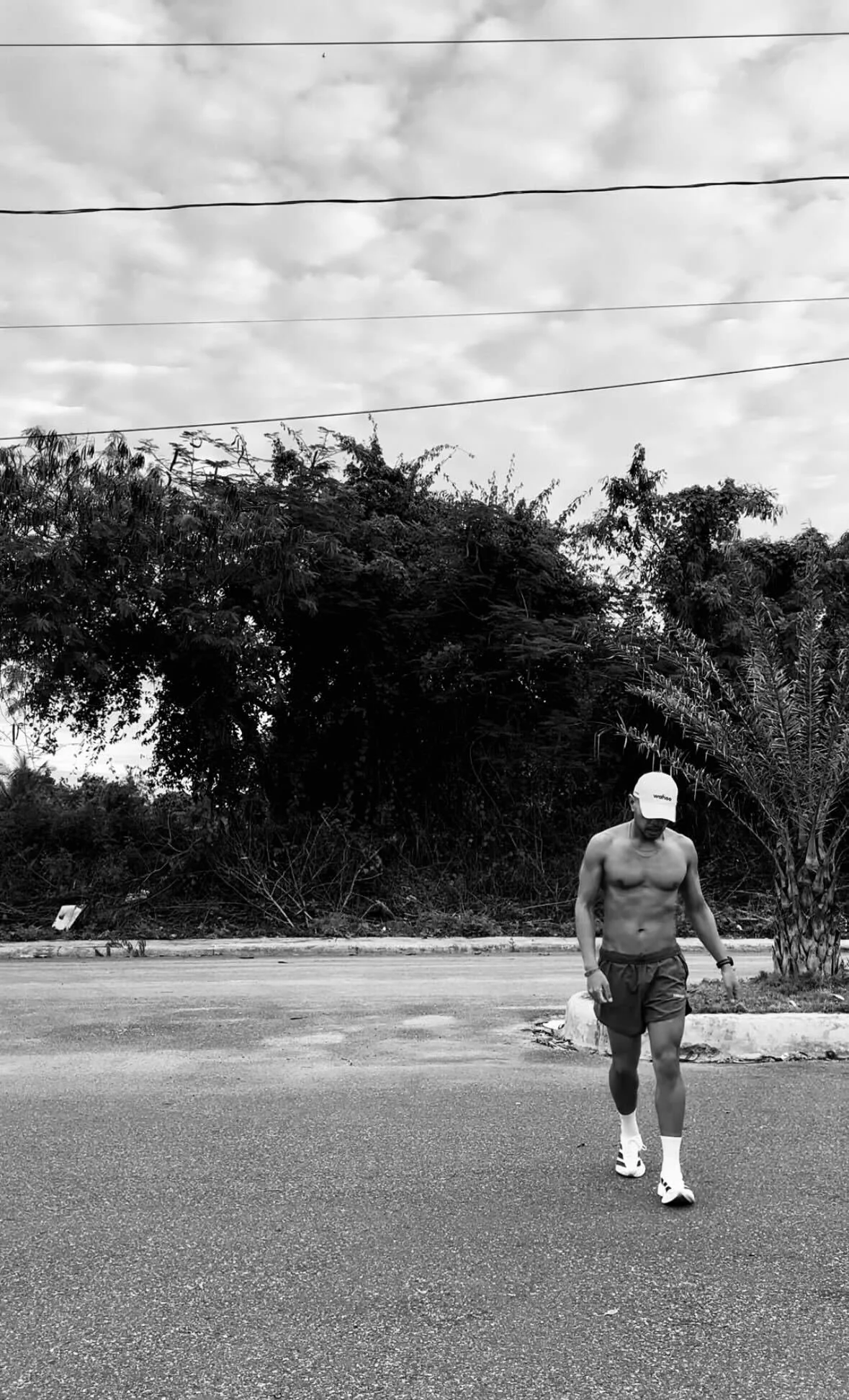
If you’re burned out, stuck in a rut, or tired of dealing with the frustration of the major lotteries, stop giving a local 5K half-hearted attention and treat it like a World Major. You don't have to stress over a randomized drawing, book a flight, or plan your life around a race day a year in advance. Your local 5K is accessible, it's cheap, and it's right down the street whenever you are ready.
Like Santiago, we spend so much time traveling to the extremes—chasing 26.2 miles in distant cities—convinced that the ultimate runner's validation is out there. But if you take that stacked aerobic fitness and give the 5K a marathon-level block, you might just realize the treasure was buried right back at your local 5k the whole time. Fast is entirely relative, but the effort is absolute. You might just rediscover what it feels like to finally empty the tank.